


This year, National Allotments Week runs from 7th-13th August with the theme of Soil Health.
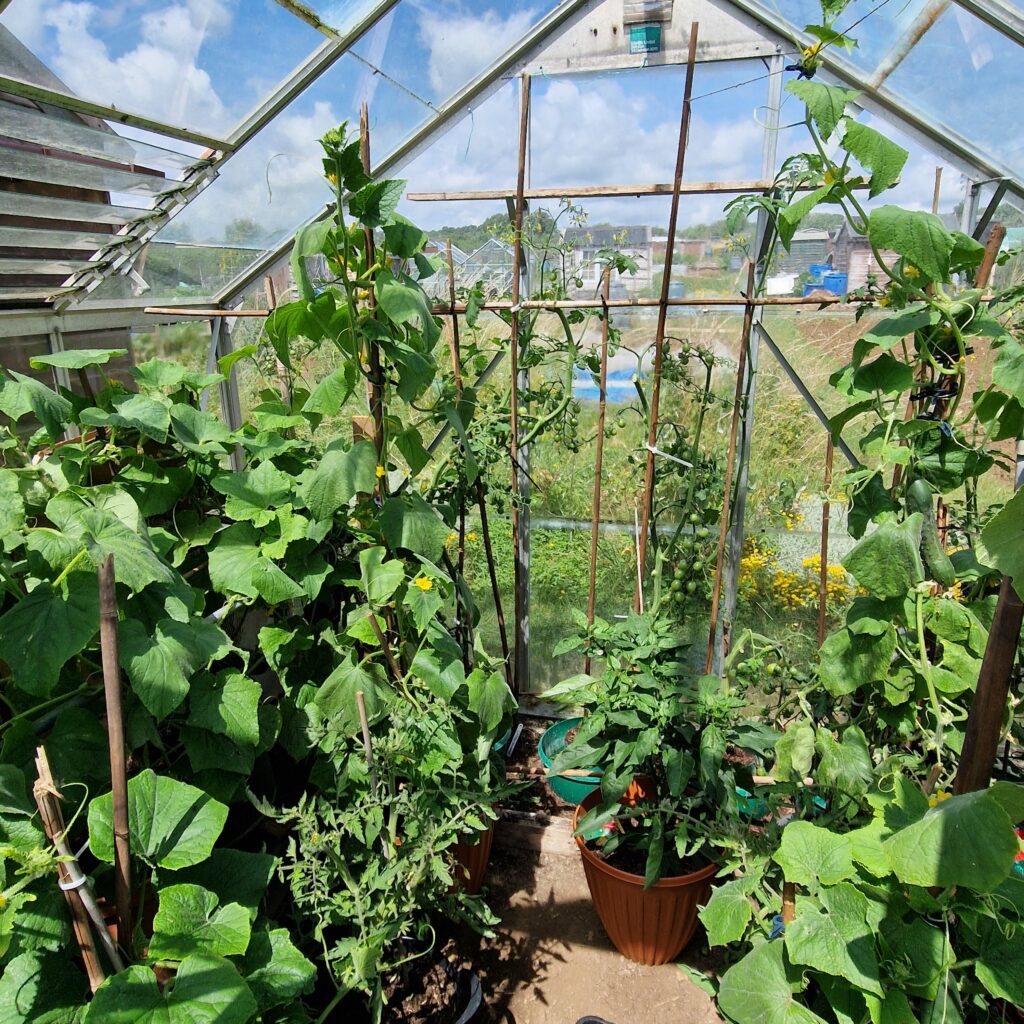
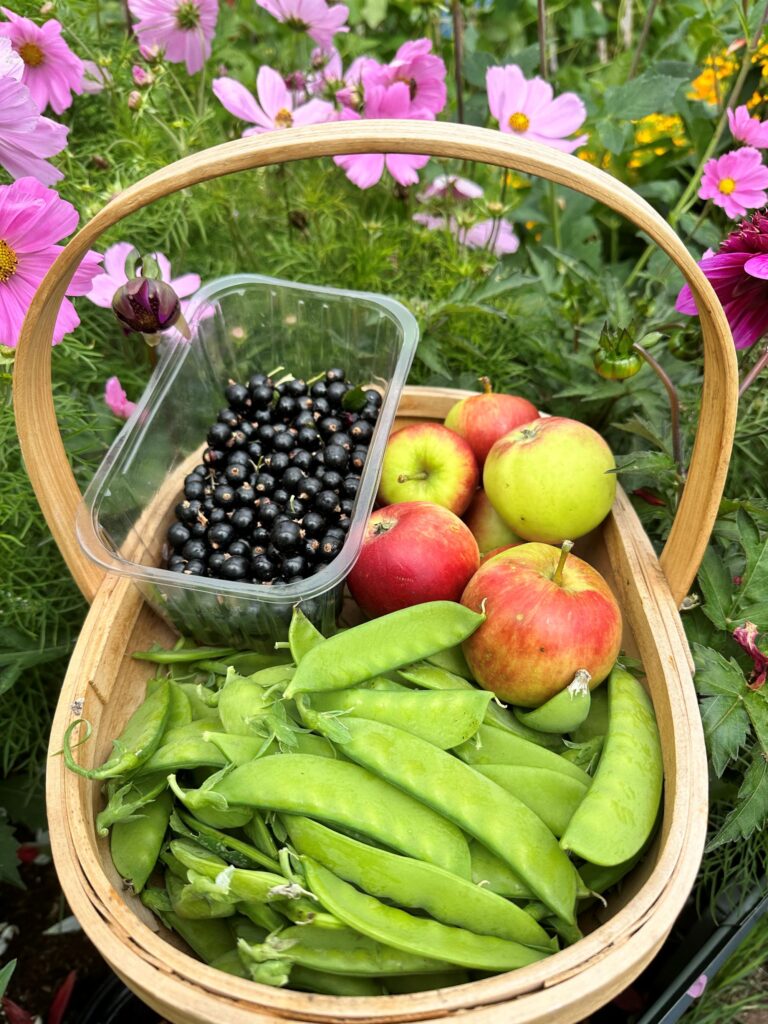
To recognise the week we are sharing some Sherborne allotment photos, on our social media channels, sent in by our followers.
Some allotment history….
Allotments are small parcels of land rented to grow fruits, vegetables and plants. Allotments can vary in size but the most common is ten rods or poles, which is an old Anglo-Saxon measurement roughly equal to 250 square metres.
Allotments have their origins in the late Anglo-Saxon/early medieval period when huge fields—some could be hundreds of acres—belonging to villages or manors, would be divided into thin strips for individuals or families to grow crops. This was known as the open-field system.
By the late 1500s, these large fields or ‘common land’ would be divided up into plots to be used only by the owner. They were then enclosed with hedges during a process known as ‘the enclosures’ that would take place over the next few hundred years, through a series of Acts of Parliament. In compensation, ‘allotments’ of land would be attached to tenant cottages; this is said to be the first written reference to allotments in the UK. Unfortunately, these allotments would not help the very poor in society, some of whom starved because of the enclosures.
Allotments as we know them today stem from the General Enclosure Act of 1845 that made provision for ‘field gardens’ to be used by the landless poor—although very little enclosed land was actually set aside for this purpose. The later ‘Small Holdings and Allotments Act’ of 1907 and 1908 imposed responsibilities on councils to provide allotments if there was a demand for them.
There was a huge increase in allotment use during the First and Second World Wars as blockades resulted in a shortage of imported food. Disused railway land, public parks and private gardens were all utilised to grow fruit and vegetables. The famous ‘Dig for Victory’ campaign during the Second World War produced 1.3 million tonnes of food from nearly 1.5 million allotment plots.
There was a steady decline in allotment use after the wars as focus shifted to housing and rebuilding initiatives. The decline slowed during the 1970s when TV shows like the BBC’s The Good Life inspired interest in food production and self-sufficiency.
Since the 1990s, there has been something of an ‘allotment renaissance’ as concerns about global heating and an interest in organic produce led people to become more concerned about where their food came from. Unfortunately, this steady rise in interest has not been met by supply; in some urban places, waiting lists for allotment plots can extend to several years. (Credit: Science + Media Museum).